Pastel Care Guide
4. Framing Recommendations: To preserve the integrity of your artwork, I recommend framing it as soon as possible. Choose a high-quality frame and acid-free matting to protect against discoloration over time.
5. UV-Protective Glass: Opt for UV-protective glass to shield your portrait from harmful sunlight, which can cause fading and deterioration.
6. Hanging Your Portrait: When hanging your framed portrait, select a location away from direct sunlight, humidity, and extreme temperature fluctuations. Use appropriate hanging hardware to ensure it is securely mounted on the wall.
7. Regular Maintenance: Periodically inspect your framed portrait for any signs of dust or debris. Use a soft, dry cloth or brush to gently remove any buildup, taking care not to damage the surface of the artwork.
By following these guidelines, you can help preserve the beauty and integrity of your commissioned portrait for generations to come. If you have any questions or need further assistance, please don't hesitate to reach out.
Thank you for entrusting me with the creation of your cherished artwork. Your satisfaction is my highest priority, and I'm here to ensure your experience with [Your Name]'s Wildlife/Pet Portrait Studio is nothing short of exceptional.
Caring for Your Artwork
Congratulations on receiving your commissioned portrait! I hope it brings you joy and serves as a cherished memento of your beloved pet or the captivating wildlife scene we've brought to life together.
At Sophie Eglinton's Wildlife/Pet Portrait Studio, we believe that the care and preservation of your artwork are just as important as the creative process itself. To ensure your portrait remains pristine for years to come, please follow these simple guidelines for opening and framing your commission:
After-Arrival Care Guide:
1. Handle with Care: When handling your portrait, be sure to do so with clean hands and avoid touching the surface of the artwork directly.
2. Unwrapping Your Portrait: Carefully remove any protective packaging, taking care not to damage the artwork in the process.
3. Inspect for Damage: Before framing your portrait, inspect it closely for any signs of damage during shipping. If you notice any issues, please contact me immediately for assistance.
Unpacking
-
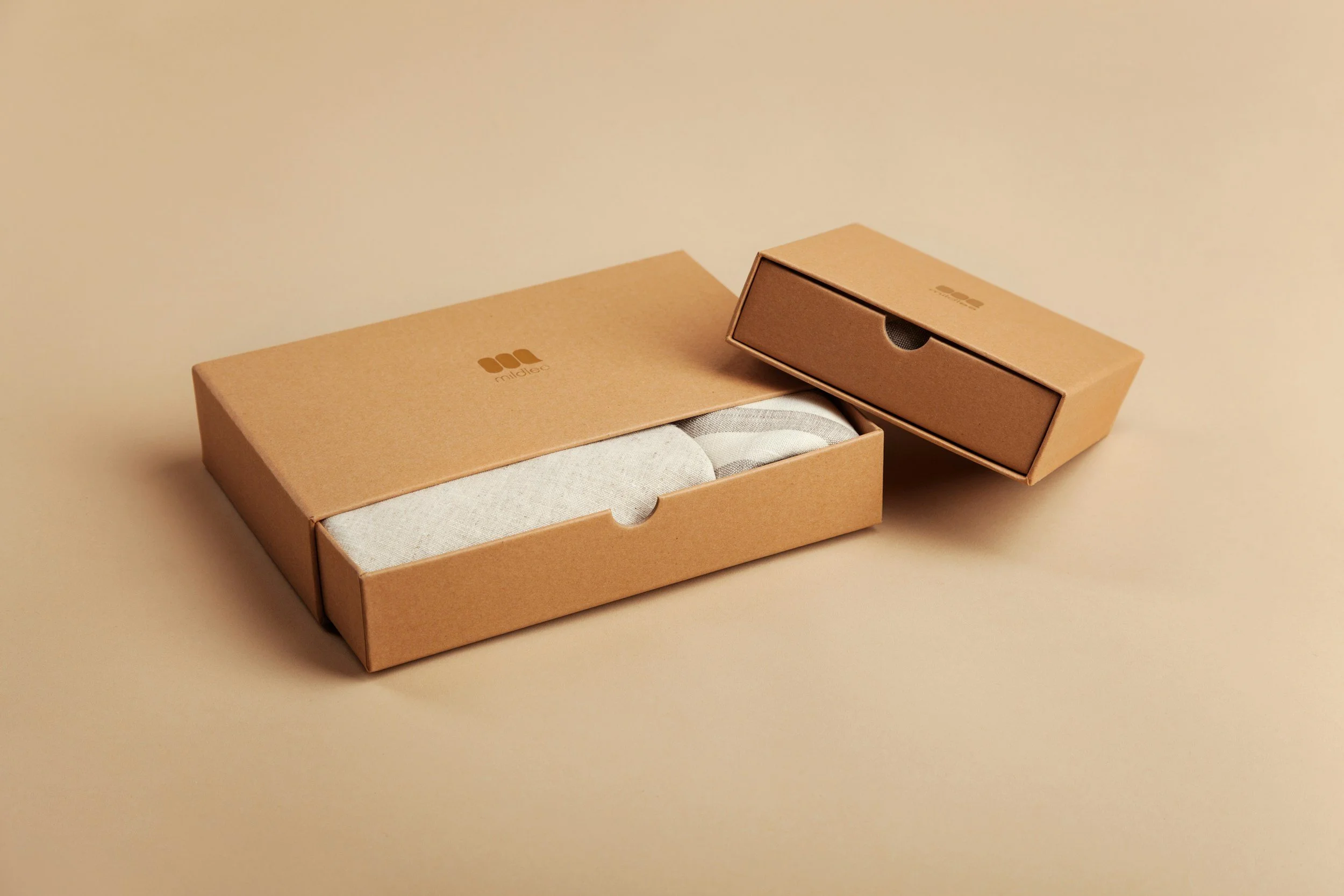
Unwrap the art piece very carefully, taking extra caution when removing packaging tape. Utilize a Stanley knife along the sides of the plywood for a precise and careful opening.
-
The artwork is covered with frosted paper known as Glassine. It is strongly recommended to leave this protective layer intact until framing. If removal is necessary, lift it carefully, avoiding any sliding that may cause smearing.
-
Keep the painting facing up at all times to prevent any potential damage.
-
Refrain from covering the painting with anything other than the provided Glassine. Even tissue paper can pose a risk.
-
Avoid talking over the painting, as saliva can potentially damage the delicate pastel surface.
-
Do not touch the painting directly to prevent any transfer of oils to the pastel surface.
-
Frame the artwork as soon as possible to provide a secure and protected environment.
-
If Glassine must be removed, lift it carefully, avoiding any sliding motion to prevent smearing. Note that any oil put on the paper cannot be removed.
Framing
-
Store the artwork in its original shipping package with the protective Glassine until framing. Ensure the artwork's surface does not come into contact with anything.
-
Refrain from spraying the painting with fixatives, as this may cause damage.
-
When framing, opt for museum, regular, non-glare, or UV glass. Avoid Plexiglass, and if possible, choose museum glass for optimal preservation.
-
Use at least double matting, fillets, or spacers to create space between the painting and the glass. The portrait should not be flush against the glass. Your framer will be familiar with this requirement.
-
During framing, be cautious to avoid turning the artwork upside down to prevent contact with the glass.
-
Exercise care when using point drivers, as they can potentially loosen pastel particles and affect the artwork.