Transform your portrait from good to extraordinary with the power of stellar reference photos.
I acknowledge the challenges in obtaining an ideal photo, particularly when dealing with a memorialized pet or a surprise gift portrait. Yet, having access to photos adhering to the specified guidelines or the ability to capture suitable images can make a significant difference, distinguishing between a satisfactory painting and an exceptional one. Following these recommendations is pivotal in elevating the overall quality of the artwork, leaving a lasting impact on the final result. If the image is a memorial, please send me as many photos as possible, no matter the quality, so that I can combine aspects of them to make a custom portrait to the best of my ability.
Typically, the quality of your reference photo directly impacts the final result. Managing our pets during a photoshoot can be quite the task! I suggest using something they adore to grab their attention, like a treat or their favorite toy. Their enthusiasm for their beloved item will shine through in the portrait!
Curious if your photo fits the bill? Feel free to email me your snapshots for a review. If possible, kindly send 2-5 photos of each subject. This allows me to select the best ones for a natural composition.
For printed photos, I prefer scanned versions to ensure optimal quality.
1. Get down to your pet's eye level
Avoid shooting from above, as it can be unflattering. Instead, crouch down to your pet's eye level for a more engaging shot. Offering a treat slightly to the side, capturing a 3/4 angle of your pet's face, can also yield flattering results, as demonstrated above.
2. Embrace natural light
Ideal photos bask in natural light from one side, accentuating the subject's features. Conversely, photos taken in artificial light may cast undesirable shadows, obscuring details.
Lighting plays a crucial role in setting the portrait's tone. Soft, natural light works best, showcasing your pet's features and bringing out their eyes. Position your pet near a window, ensuring the light falls directly or diagonally onto them.
3. Prioritize quality - Can you discern the fur direction?
High-quality photos reveal the fur direction and intricate facial details, while low-quality ones appear blurry and poorly lit.
All the showcased photos were captured with the same iPhone camera. You don't necessarily need a fancy camera for good shots; instead, focus on techniques like getting closer and shooting in natural light. If you can perceive the details in your pet's eyes and fur direction, your photo likely boasts ample quality for drawing.
4. Capture your pet's genuine expression
Capturing your pet's unique expressions can be tricky but adds depth to the portrait. If your cat often looks mischievous, like Buddy above, aim to capture that essence in your photos. It might require patience and vigilance, but the results are rewarding.
For a sofa-loving dog like Charlie, photographing him on his favorite spot with his soulful eyes can convey his personality effectively.
5. Remembering departed pets
If you're commemorating a late pet with a portrait, fret not! Please share any available photos via email, regardless of when they were taken. I'll make the most of what you provide. Quantity matters here; having multiple photos allows for potential combinations to create a complete image.
6. Group portraits of multiple pets
For portraits featuring multiple pets, please provide individual photos of each. I'll then arrange them digitally, as demonstrated on the right, offering several compositions for your selection.
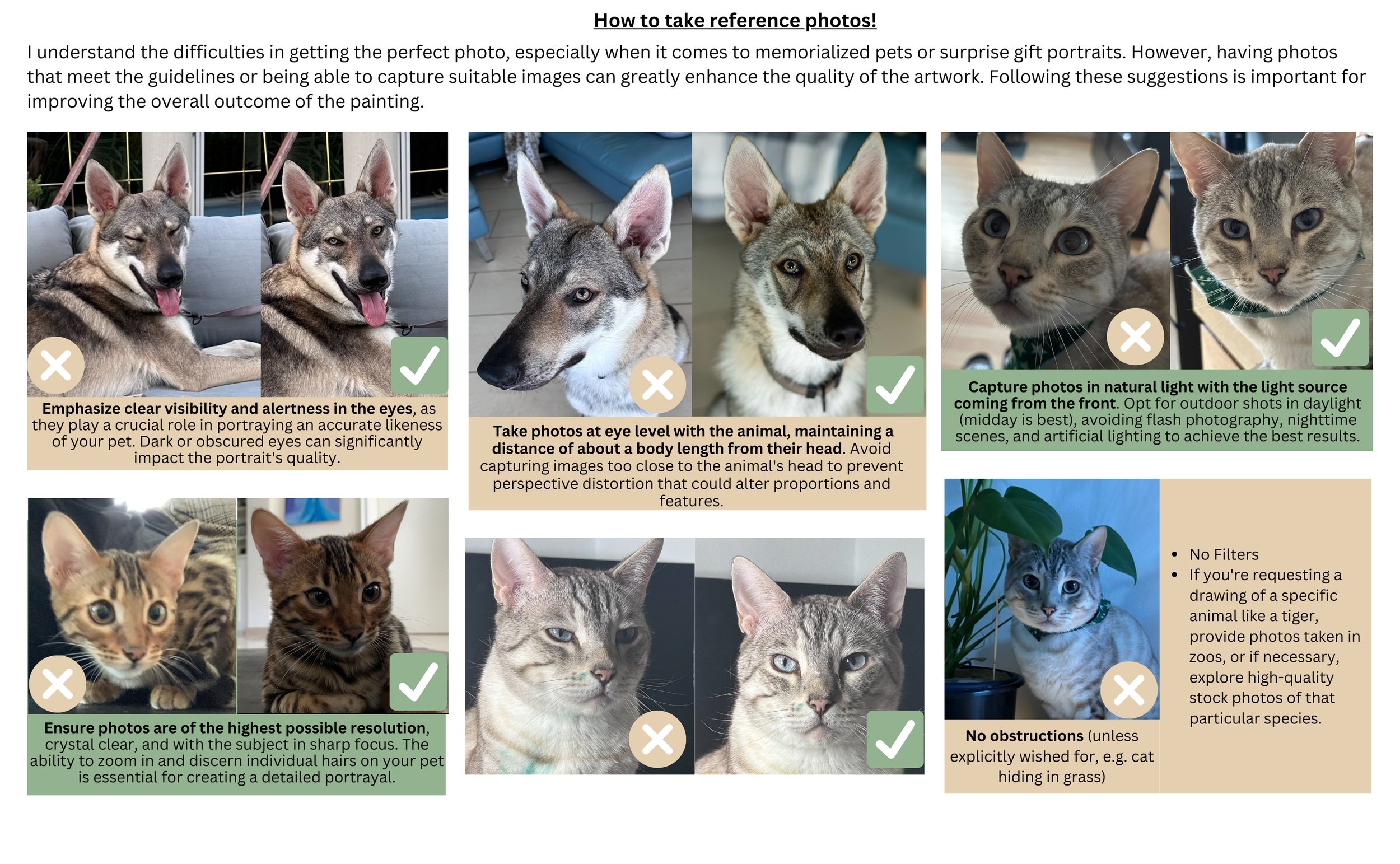
1. Ensure photos are of the highest possible resolution, crystal clear, and with the subject in sharp focus.
The ability to zoom in and discern individual hairs on your pet is essential for creating a detailed portrayal.
2. Capture photos in natural light with the light source coming from the front.
Opt for outdoor shots in daylight (midday is best), avoiding flash photography, nighttime scenes, and artificial lighting to achieve the best results.
3. Emphasize clear visibility and alertness in the eyes, as they play a crucial role in portraying an accurate likeness of your pet.
Dark or obscured eyes can significantly impact the portrait's quality.
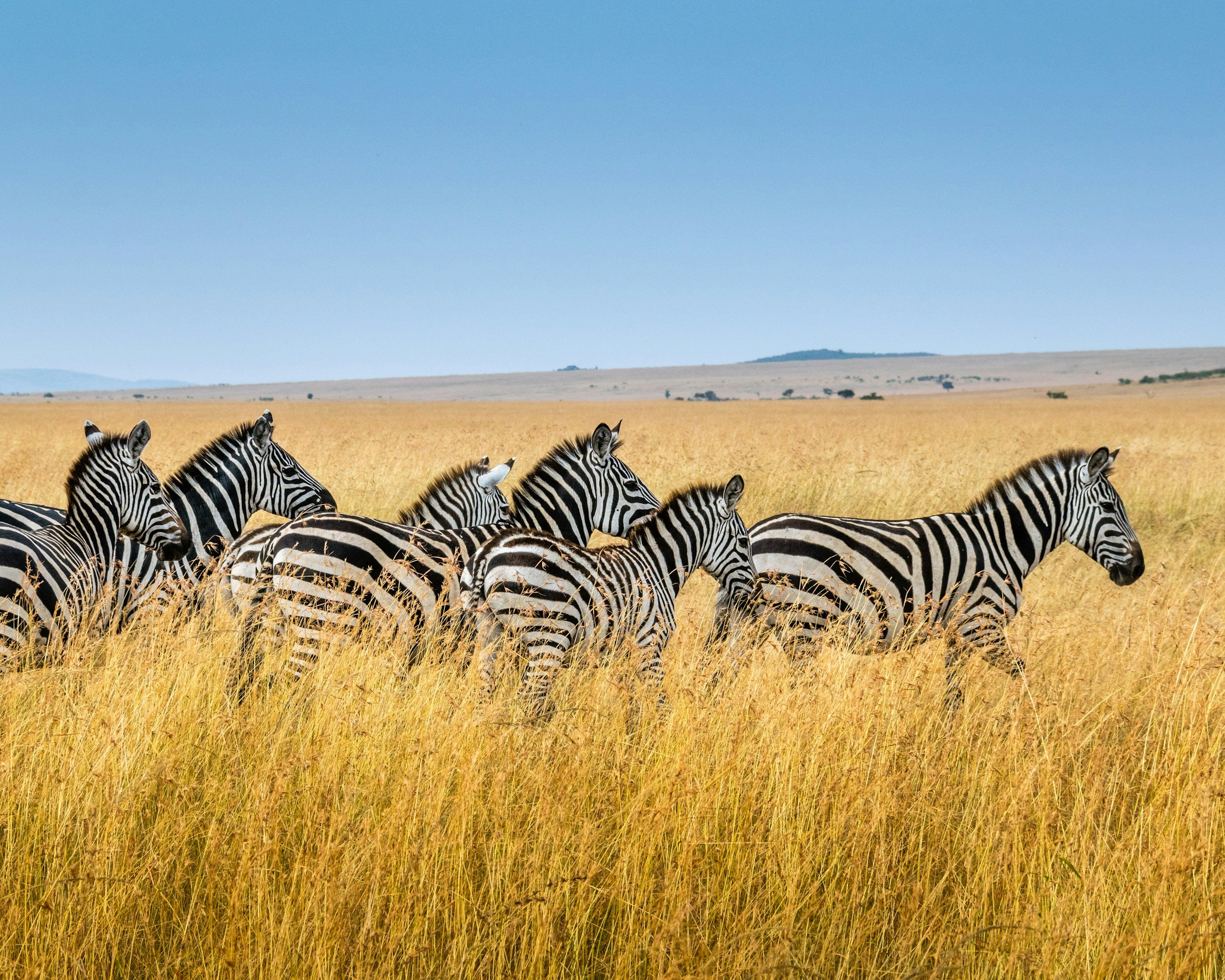
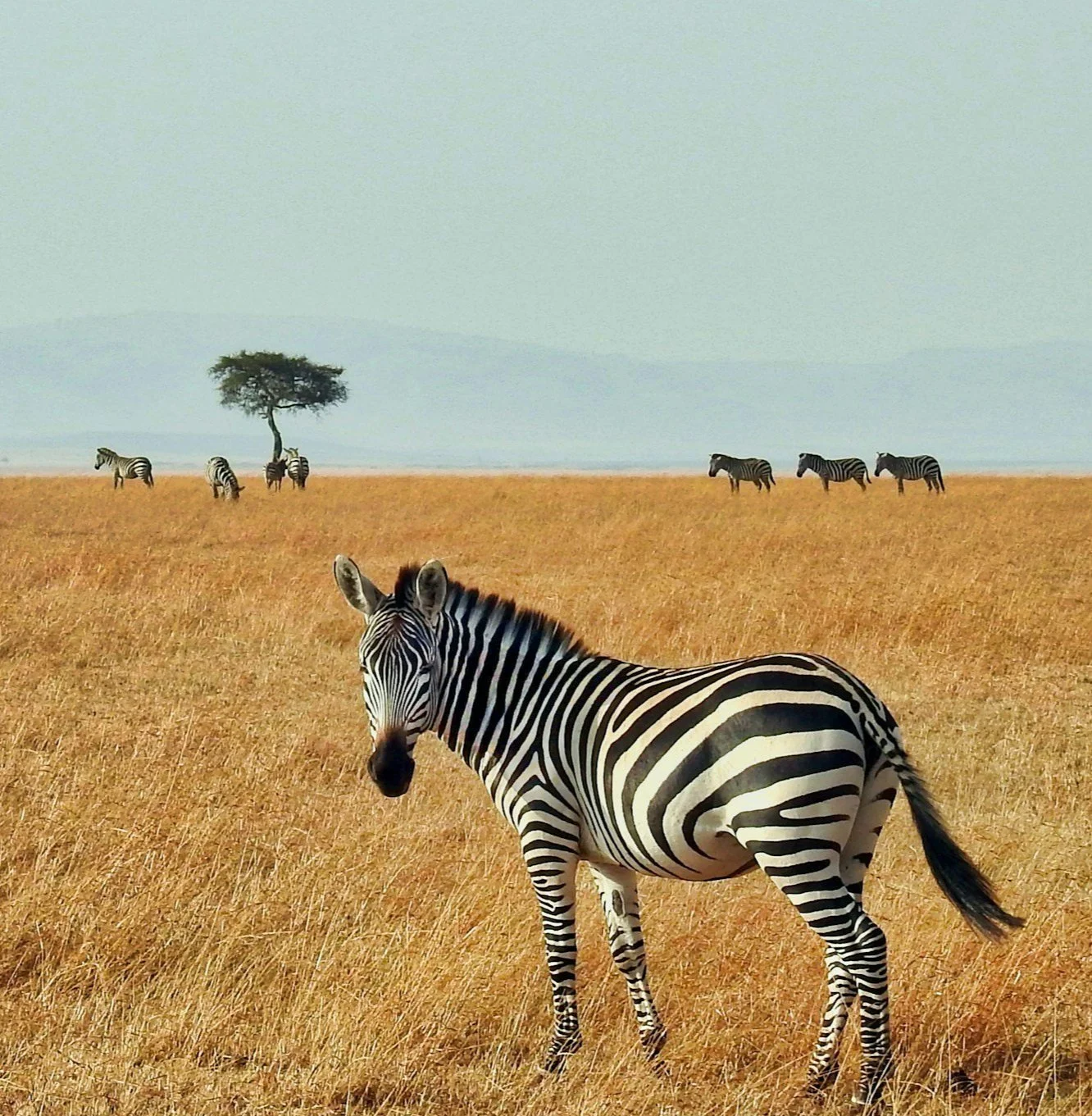
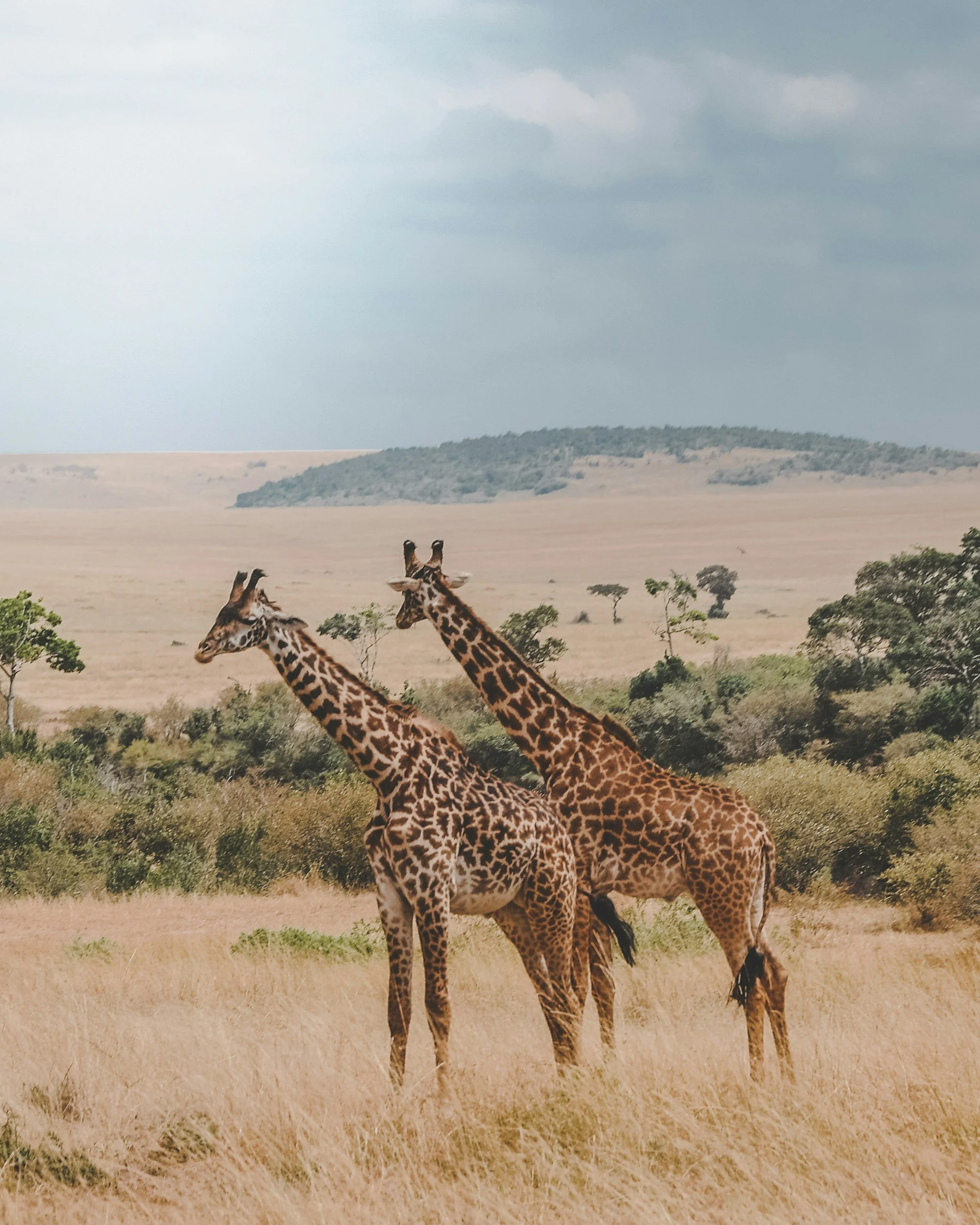
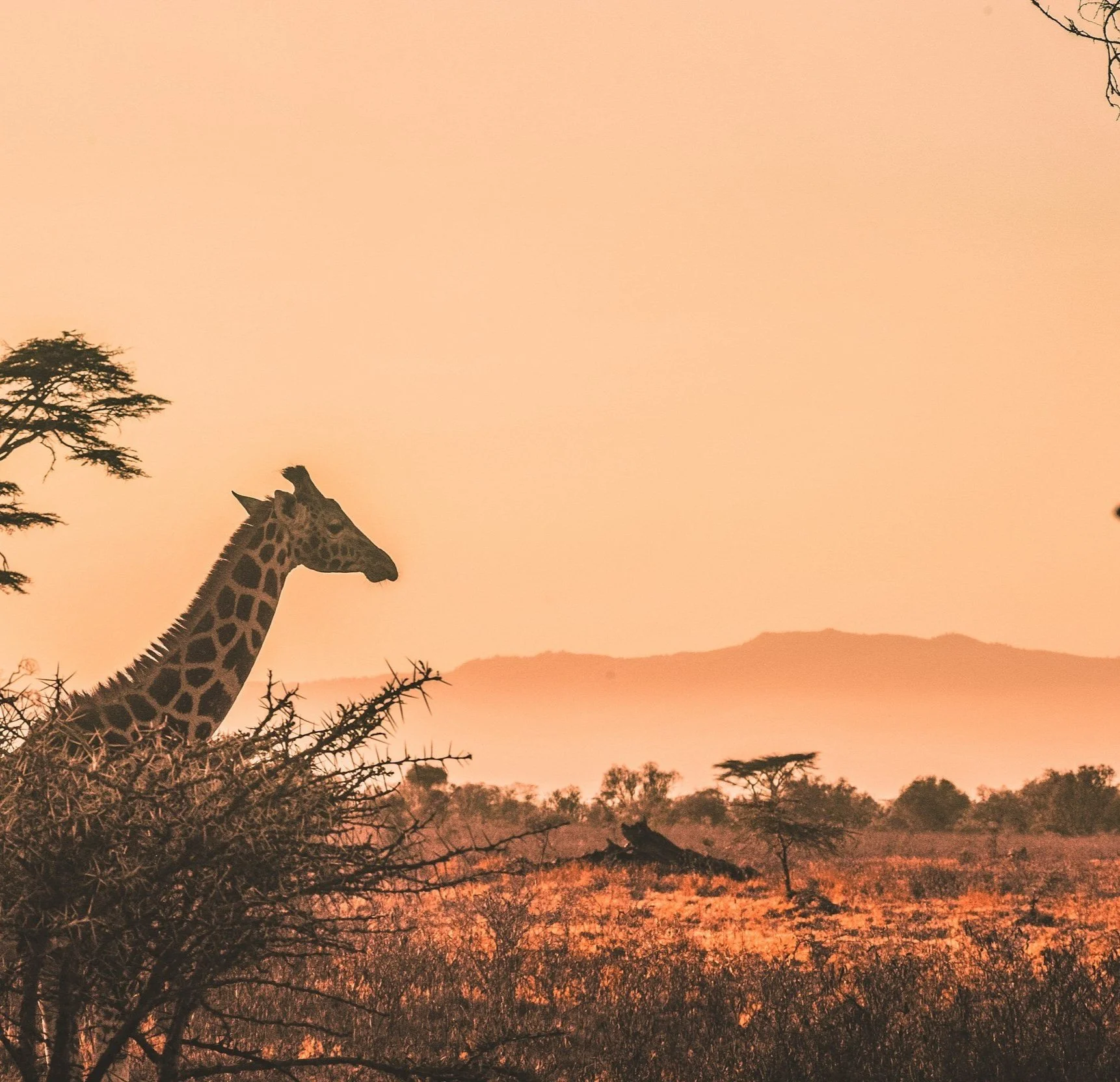
5. If you're requesting a drawing of a specific animal like a tiger, provide photos taken in zoos, or if necessary, explore high-quality stock photos of that particular species.
It can be the same animal seen in a zoo that has often photos taken of them and can be found online. In cases where stock photos are deemed suitable, it is the client's responsibility to purchase them before proceeding to abide my licencing laws.
4. Take photos at eye level with the animal, maintaining a distance of about a body length from their head.
Avoid capturing images too close to the animal's head to prevent perspective distortion that could alter proportions and features.
7. No filters!
I will filter them if necessary during the drawing process to assisst with contrast.
6. No obstructions
Unless explicitly wished for, e.g. cat hiding bewteen grass blades.

Appreciate the website?
I strive for perfection and handle everything myself to keep costs down. Every aspect of this site, including all infographics, has been created by me. The animals featured in the reference photo guide are all mine. If you’d like to support us, please consider making a donation using the link on the left. Your generosity is greatly appreciated!